
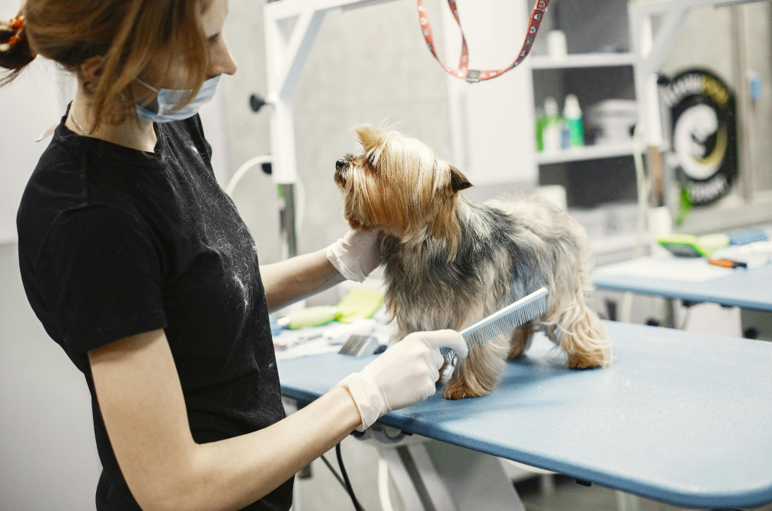
Starting a pet daycare or boarding business sounds cozy on paper. Puppies. Wagging tails. That warm satisfaction of handing a happy dog back to its owner. But that’s not the whole story — and you deserve to hear the rest before jumping in. I’ve been around a few folks who did this well… and a few who got absolutely steamrolled. So here’s my version of the talk I wish someone had with me: messy, honest, and full of things you won’t find on a checklist.
First Thing: Don’t Get Sued by Your Town
I know, I know. Permits? Boring. But nothing will stop your momentum faster than realizing your cute little dog paradise is technically not allowed on that corner lot you just put a deposit on. Cities have all kinds of weird rules — especially when barking is involved. Some require buffer zones. Some only allow these businesses in industrial zones. Some neighbors? They’ll raise hell the second they hear a whimper. You have to check your local zoning rules before you do anything else. Trust me. Paperwork sounds dull until you realize it’s standing between you and opening your doors.
Spend Time in the Chaos Before You Decide
There’s this moment that always sticks with me: it was 7:20 AM, the floor smelled like a mix of bleach and wet fur, and a lab mix had just thrown up her breakfast because she missed her owner. That was my third day shadowing a friend’s daycare. I loved dogs. But this? It was a lot. If you haven’t yet, go get your hands dirty. Literally. Volunteer. Sweep the floors. Clean up after a nervous rescue. You’ll either fall in love with the rhythm of it… or you’ll realize maybe you just want to donate to a shelter instead. Either way, gain hands-on pet care experience before you commit your savings.
Handle the Paperwork Before It Bites You
Nobody starts a dog daycare because they love business filings. But ignoring it is like skipping your rabies vax — sounds fine until it’s not. The LLC? Insurance? Business bank account? Boring, sure. But doing it right means you won’t lose your house if something goes sideways. You don’t have to do it alone — ZenBusiness can walk you through the paperwork if you’d rather focus on kibble ordering. Just don’t wing this part. It only gets harder later.
The Money Map Is Never the Terrain
Here’s a secret: most of the “starter budgets” you find online are garbage. Too clean. Too cute. Real budgets look like a messy whiteboard and a lot of swearing when the invoice from the HVAC company lands. You’re not just paying for treats and toys. You’re covering insurance, surprise plumbing issues, a staffer who quits the week before Thanksgiving. So yeah — craft a realistic startup budget, but also… leave breathing room. You’ll need it. Anyone who tells you otherwise hasn’t cleaned pee at 2 a.m. because the new staffer missed a rotation.
Safety Is the Real Marketing
Forget Instagram. Forget the fancy wall decals with paw prints. If your intake process is sloppy or your fences are weak? Word will get around. And not in a good way. People remember how safe their pets felt — even more than how cute the place looked. Write your protocols like someone might sue you (because someday, someone might). Have checklists. Cameras. Backup plans. Know what to do if two dogs get into it. Your reputation will depend on your ability to implement clear pet safety protocols. And if you’re not good at details? Hire someone who is.
You Don’t Need a Billboard — You Need Allies
Skip the glossy postcards and five-figure ad spends. You know what works? Getting a local vet to say, “I trust them.” That’s gold. Talk to the groomer down the street. The trainer at the park. The rescue coordinator who knows every nervous dog in town. If you can build a local referral network that’s rooted in real trust — not just favors — you’ll have a line out the door before you know it. This is a relationship business. Act like it.
You Can’t Be Everywhere at Once — Plan for That
One of the hardest truths? You can’t do it all. Not forever. Not if you want a life. So don’t build your schedule like you’re a superhero. Build it like you’re human. Figure out who’s covering early mornings. Who handles weekend shifts. What happens if someone’s sick. If you don’t plan your staffing and scheduling model with margin, you’ll burn out. Or worse, you’ll make mistakes that hurt animals. Set boundaries now. That includes for yourself.
You’re not just starting a business. You’re deciding to be a part of people’s families. Dogs will come in anxious and leave wagging. Others… might not come back. You’ll laugh. You’ll cry. You’ll have days where you question everything. But if you love it — if you build it from the right place — it won’t just be a job. It’ll be a legacy.
Discover how HappyHubz is transforming pet care and community support—visit us today to explore our initiatives and shop for a cause that gives back to pets and communities in need!